In today’s asset-intensive industries, whether it’s manufacturing, energy, utilities, or facilities management, unplanned downtime is one of the most costly and disruptive challenges. In fact, according to a 2022 study by Aberdeen Strategy & Research, unplanned downtime can cost industrial manufacturers an estimated $260,000 per hour. The stakes are high, and the solution is clear: strategic maintenance planning and scheduling, enabled by a robust work order management system (WOMS).
Yet, many organizations still rely on outdated spreadsheets, paper logs, and fragmented communication to manage critical maintenance activities. This reactive approach often leads to miscommunication, poor asset visibility, and excessive downtime. Enter the digital era of work order management: centralized, automated, and data-driven.
What Is a Work Order Management System (WOMS)?
A Work Order Management System is a digital platform designed to create, assign, schedule, track, and analyze maintenance tasks. More than just a ticketing system, it acts as the operational brain for reliability-centered maintenance strategies, connecting technicians, planners, asset databases, and performance analytics in one cohesive workflow.
These systems are often embedded in larger Computerized Maintenance Management Systems (CMMS) or Enterprise Asset Management (EAM) platforms. Leading solutions like IBM Maximo, SAP PM, and Fiix are reshaping how industries think about asset reliability and uptime.
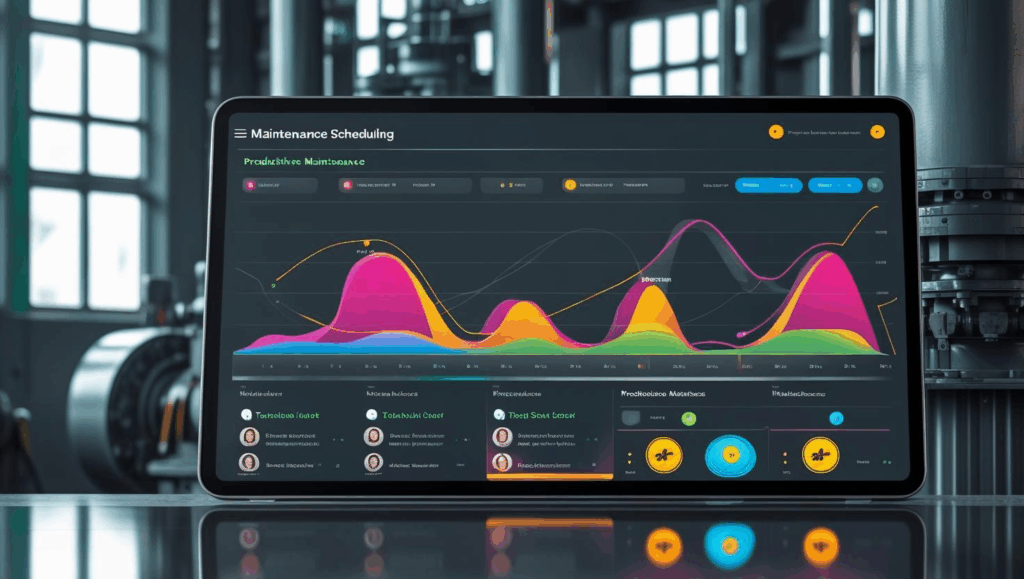
📅 The Strategic Power of Planning and Scheduling
1. Eliminating Reactive Maintenance Traps
When equipment fails without warning, every second counts and costs. A well-structured WOMS minimizes chaos by establishing clear schedules and preventive maintenance tasks long before issues escalate. According to McKinsey, implementing predictive and preventive maintenance can reduce machine downtime by up to 50% and extend asset life by 20–40%.
2. Workforce Optimization
Technicians are valuable assets. WOMS platforms ensure that the right person is dispatched to the right task, based on skill sets, certifications, proximity, and availability. This reduces idle time, increases task accuracy, and prevents technician burnout.

3. Real-Time Visibility & Accountability
Planners and supervisors gain a bird’s-eye view of every maintenance activity. Live dashboards track open, in-progress, and completed tasks, making bottlenecks easy to spot and resolve. This also enhances compliance with industry regulations like ISO 55000 and OSHA, by ensuring documentation is accurate and auditable.
4. Driving Predictive Maintenance (PdM)
The best work order management systems integrate with IoT sensors and AI algorithms to detect anomalies and forecast failures before they occur. Tools like Ultrasonic Testing, Vibration Analysis, and Infrared Thermography feed real-time data into the system, triggering smart work orders.

Key Features of an Effective WOMS
To support long-term reliability and ROI, a top-tier Work Order Management System should include:
📆 Automated Scheduling with recurring task logic
📲 Mobile Access for on-the-go technicians
🧰 Parts & Inventory Integration to avoid delays
📊 Analytics & Reporting Dashboards for KPIs
🔗 CMMS/EAM Integration to eliminate data silos
🛠️ Custom Templates & SOP Checklists for standardization
A Real-World Example
A large North American food processing company implemented a CMMS-integrated WOMS to replace manual paper-based maintenance logs. Within six months, they saw a:
- 35% decrease in emergency work orders
- 45% increase in preventive maintenance completion
- 22% reduction in parts-related delays
How WOMS Content Drives Inbound Leads
When maintenance managers search terms like “how to reduce downtime,” “CMMS scheduling software,” or “preventive maintenance planning tools,” your content needs to appear. By writing in-depth posts using keywords such as:
- Work Order Management System
- Maintenance Planning and Scheduling
- Preventive Maintenance Software
- Asset Reliability
- Reduce Equipment Downtime
…you can capture traffic from decision-makers actively seeking digital transformation solutions.
From Reactive to Proactive
Maintenance excellence isn’t a dream, it’s a system. A work order management system transforms maintenance from firefighting to foresight. With the right tools and data, teams are empowered to plan smarter, act faster, and think long-term.
As we transition into the era of Industry 4.0, integrating a WOMS into your digital strategy isn’t just an upgrade, it’s a necessity. Because in maintenance, timing is everything.
👉 Need help choosing the right work order management system or building a digital-first maintenance strategy? Let’s talk.
📍 Join us in Chicago this September for a powerful 3-day Industry 4.0 workshop where we dive deeper into digital transformation, predictive maintenance, and workforce innovation. Join the waitlist here.