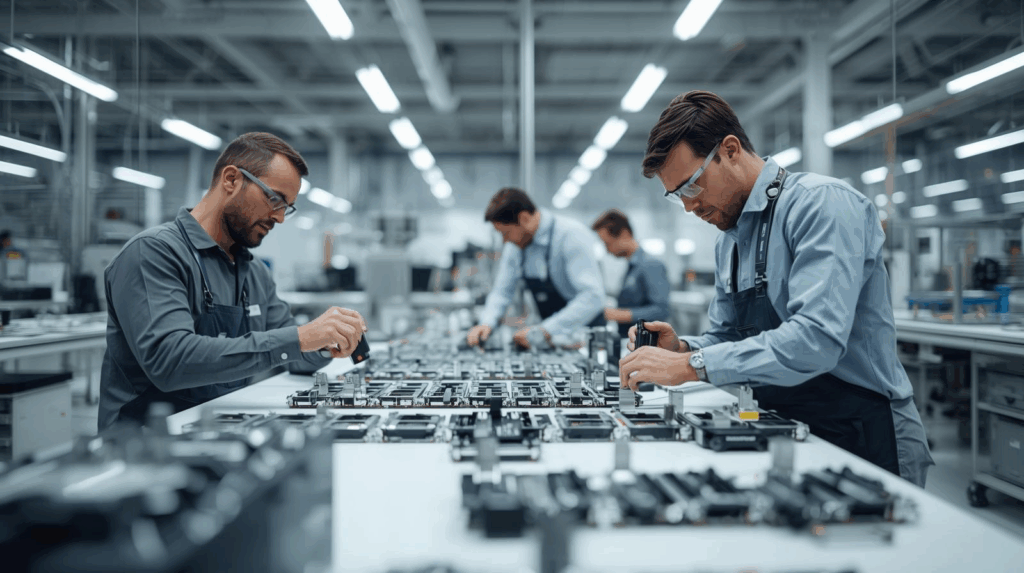
Inventory management is one of the biggest challenges for businesses in manufacturing, engineering, and supply chain. Many organizations struggle with high costs, excess inventory, and inefficiencies caused by the proliferation of part variations. Standardization of parts solves this problem by simplifying operations, reducing costs, and ensuring better efficiency.
This explains how parts standardization works, why it matters, and how businesses can benefit from adopting it.
What Is Parts Standardization?
Parts standardization is the process of minimizing unnecessary variations in components. Instead of purchasing, stocking, and maintaining hundreds of similar parts, businesses focus on a smaller set of standardized ones.
This strategy reduces inventory complexity, improves operational efficiency, and creates cost savings across the supply chain.
The Problem With Inventory Complexity
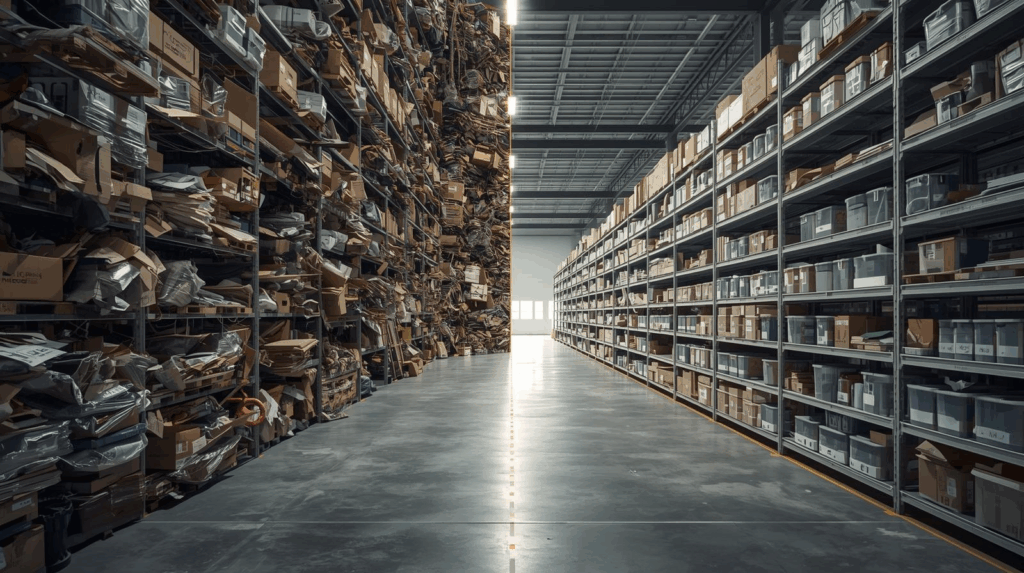
When companies manage hundreds of part numbers, the inventory system becomes complicated. Every part variation requires:
- Separate storage space
- Individual tracking
- Independent procurement orders
This leads to high costs, frequent errors, and slower processes. Standardizing parts eliminates these inefficiencies by cutting down the number of items that need to be managed.
How Standardization Reduces Costs
Cost savings are one of the strongest arguments for standardization. Businesses spend less because:
- Bulk purchasing discounts: Ordering higher quantities of fewer parts lowers procurement costs.
- Lower storage costs: Less warehouse space is needed.
- Reduced training expenses: Maintenance teams learn faster with fewer variations.
- Less obsolete stock: Standardized parts remain useful longer across multiple products.
Over time, these savings accumulate and significantly impact the bottom line.
Supply Chain Efficiency Through Standardization
A lean supply chain relies on predictability and simplicity. Standardization enhances supply chain performance by:
- Streamlining supplier relationships
- Improving demand forecasting
- Reducing delivery lead times
- Minimizing risks of shortages
With a smaller set of parts, businesses can negotiate stronger deals and plan production more accurately.
Quality and Reliability Advantages
Standardization doesn’t just reduce costs it also improves quality. Standardized parts are usually tested and proven. When used across multiple products, they:
- Enhance consistency
- Reduce defects
- Build customer trust
- Simplify testing and quality assurance
This creates reliable products, fewer warranty claims, and stronger customer loyalty.
Case Study: Cost Savings in Manufacturing
A global manufacturing firm standardized 40% of its components across product lines. The result was:
- A 25% reduction in inventory costs
- Shorter production lead times
- Fewer procurement errors
- Improved supplier partnerships
This case highlights how standardization drives measurable value and efficiency.
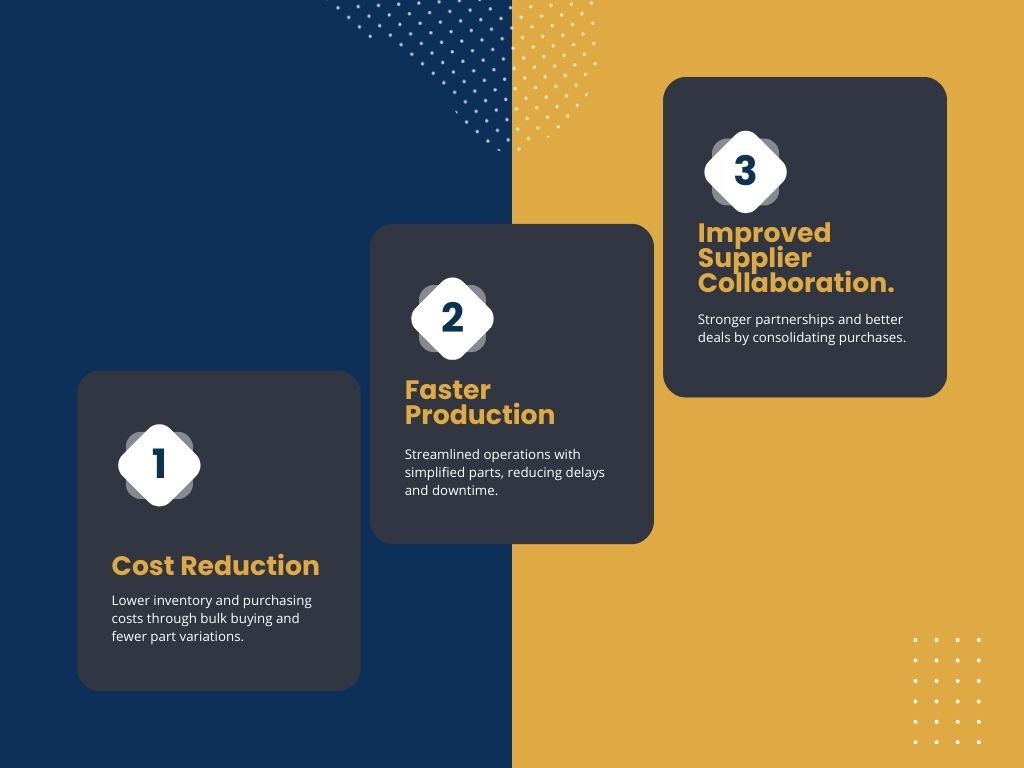
Key Benefits of Parts Standardization
- Reduced inventory complexity
- Significant cost savings
- Leaner supply chain operations
- Improved training and maintenance efficiency
- Higher product reliability and customer satisfaction
Standardization is not just about reducing parts. It’s about creating smarter, more agile operations. Businesses that adopt it enjoy lower costs, greater efficiency, and improved quality.
For organizations seeking to future-proof their operations, parts standardization is a proven strategy that delivers value across the supply chain.