Oil Analysis: The Hidden Truth About Your Equipment’s Health
In the world of reliability-centered maintenance, equipment doesn’t fail overnight it gives warnings. One of the most telling signs? The oil it runs on.
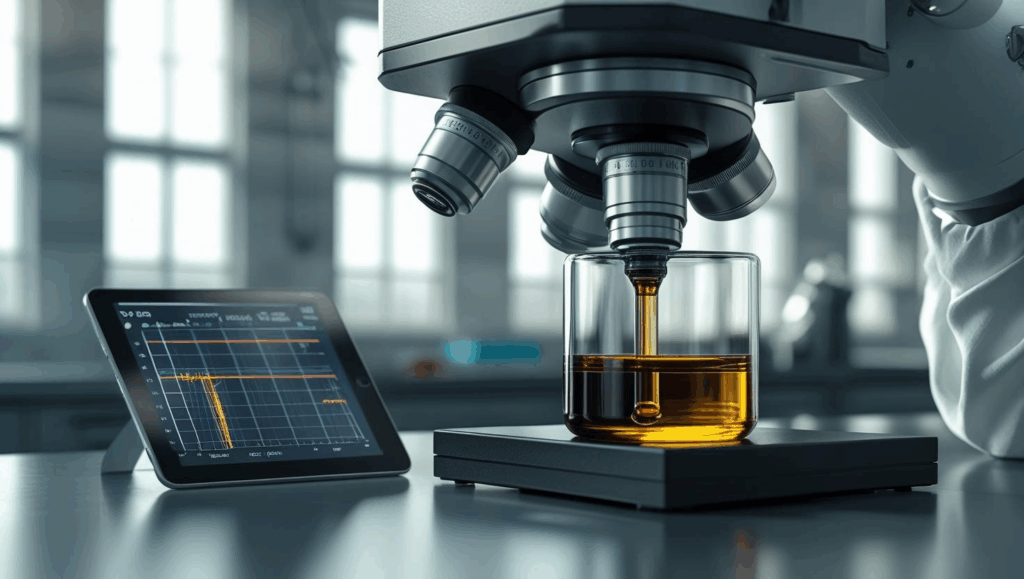
Oil analysis is a powerful diagnostic tool that evaluates both the condition of the lubricant and the presence of wear particles to determine the overall health of equipment. It’s like a blood test for your machines, providing early warnings before minor issues become major breakdowns.
Why Oil Analysis Matters
1. Lubricant Condition = Equipment Lifeline
Lubricants don’t just reduce friction; they protect components from wear, corrosion, and overheating. Over time, however, lubricants degrade due to oxidation, contamination, and thermal stress. Through oil analysis, you can track critical parameters like:
Viscosity changes
Water or coolant contamination
Oxidation and additive depletion
These insights help you determine if the oil is still doing its job or silently putting your assets at risk.
🔍 “If you’re not analyzing your oil, you’re not managing your maintenance you’re guessing.”
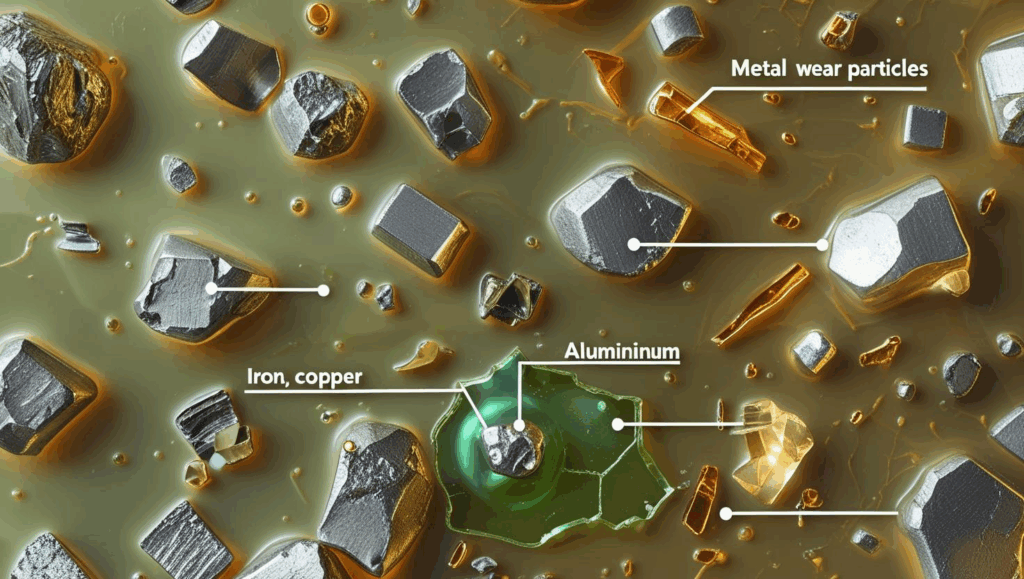
2. Wear Particles Tell the Real Story As machines operate, metal components rub together, shedding microscopic particles. These particles, when analyzed under ferrography or spectrometric techniques, can tell you:
What component is wearing out
The rate at which wear is happening
The type of wear (abrasive, adhesive, fatigue, etc.)
A spike in specific metal content, like iron, copper, or aluminum, can point to gears, bearings, or other internal parts degrading. Instead of waiting for failure, you gain the foresight to plan timely interventions.
The Business Case: From Reactive to Predictive
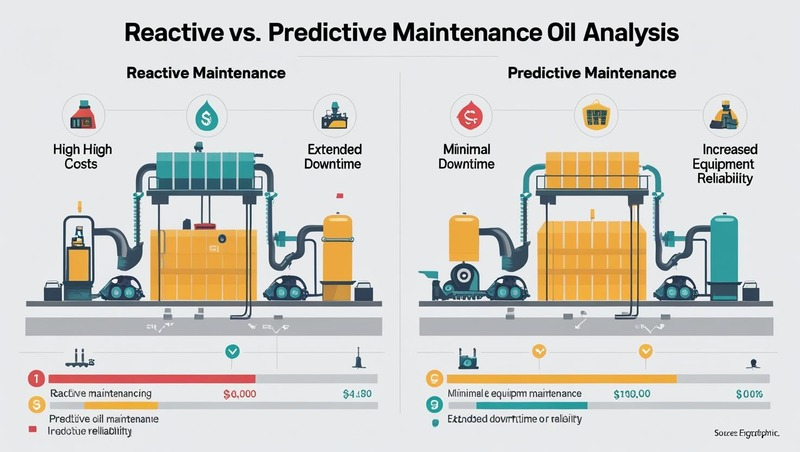
Neglecting oil analysis means relying on luck. And luck isn’t a strategy. Organizations that integrate oil analysis into their maintenance programs experience:
Fewer unplanned downtimes
Longer equipment life cycles
Reduced lubricant and spare parts costs
Improved safety and operational reliability
In industries like manufacturing, mining, power generation, and transportation, this simple test becomes a strategic advantage.